Articles & Tutorials
Guides, tutorials, and resources for creative computation.
96 articles
Newsletter, LinkedIn, Carousels: The Content Pipeline on Autopilot
How to wire a creative-business content pipeline through Claude Code: Beehiiv newsletter MCP, Buffer's create-only beta, daily LinkedIn drafts in your voice, carousel skills, and voice-triggered dispatch — without losing the draft-it-then-read-it discipline.

The Studio Routines: Inbox, Money, Calendar, Outreach
The four cadences that earn their keep in a one-person creative studio: morning inbox triage, weekly Stripe report, daily briefing, weekly outreach. Real prompts, real failures.
Claude as Your Studio's Brain: Mind Dumps, Goals, and Self-Tuning Cadences
Feed Claude Code your weekly reflections, goals, and mind dumps. Use slash-skill chains to surface patterns and propose adjustments to its own cadence — a personal OS that learns and rewires itself.

Autopilot for SEO, Analytics, and Competitor Watch
Three weekly outward-looking automations for a creative studio: a Lighthouse and Search Console audit, a GA4 digest, and a competitor scan. With the verify-the-numbers discipline that keeps them honest.

Your Studio on Autopilot: The Weekend Setup
The weekend follow-along. Wire four MCP servers, walk /schedule for the first time, install five starter automations, and have a working studio autopilot by Sunday night.

Your Creative Business on Autopilot: What That Actually Means in 2026
What 'on autopilot' actually looks like for a one-person creative practice now that Claude Code has scheduled cloud routines. The shape of the system, the principles that protect you, and where to start.
Higgsfield MCP: Generation Inside the Conversation
Connect the Higgsfield MCP to Claude Code or Codex and generate Soul images, Seedance video, and Sora 2 clips from one conversation. Setup, three workflows, the credit math.

Claude Design, Sessions, Routines: the new shape of Claude
A tour of Anthropic's launch week — Claude Design, parallel Sessions in Claude Code, scheduled Routines, and Opus 4.7. What each is and how to use it.

Getting Started with Midjourney (2026)
A beginner's guide to Midjourney in 2026: pick the right plan, write your first prompt, use Draft Mode, and dodge the three quirks that trip everyone up.
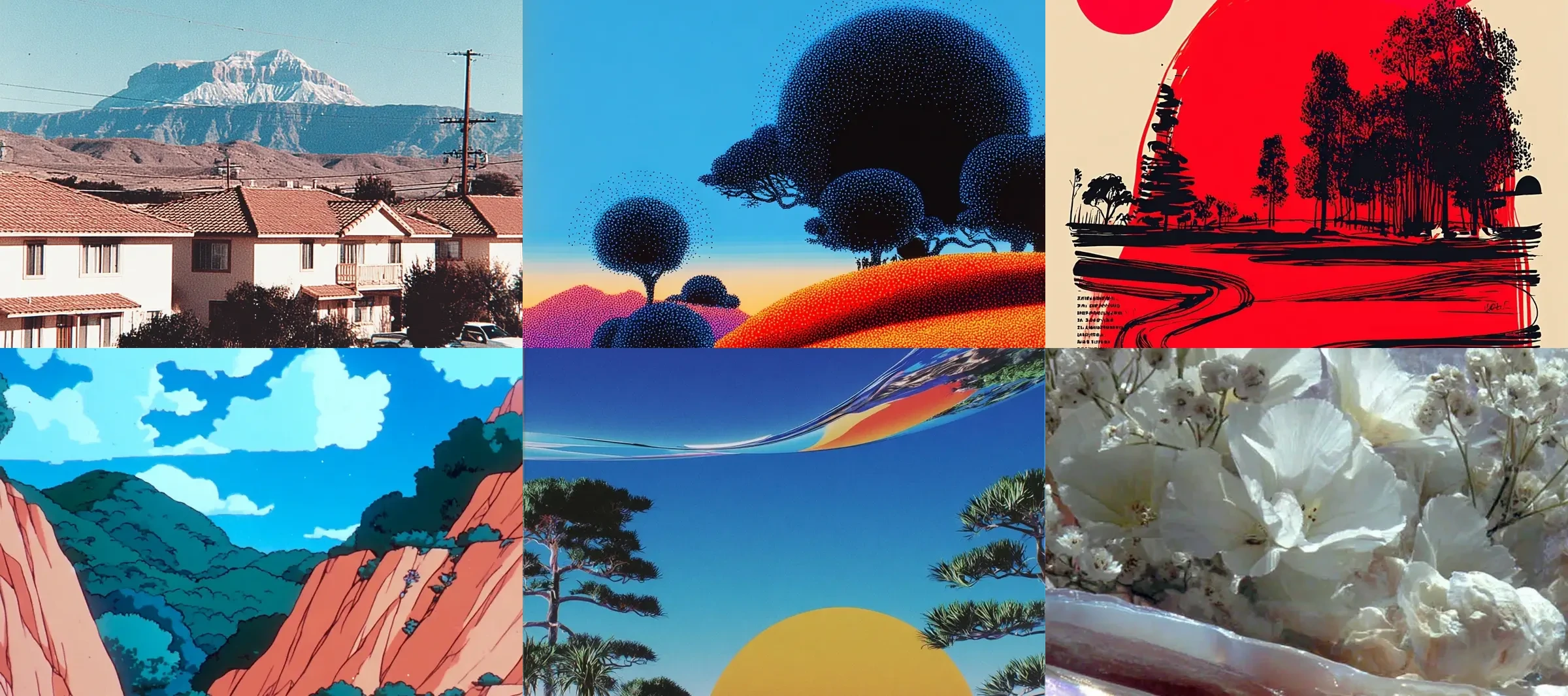
The Midjourney style reference pack: 36 codes
Thirty-six curated Midjourney --sref codes, organised by aesthetic family, with prompt recipes, combining techniques, and the version-split pitfall explained.
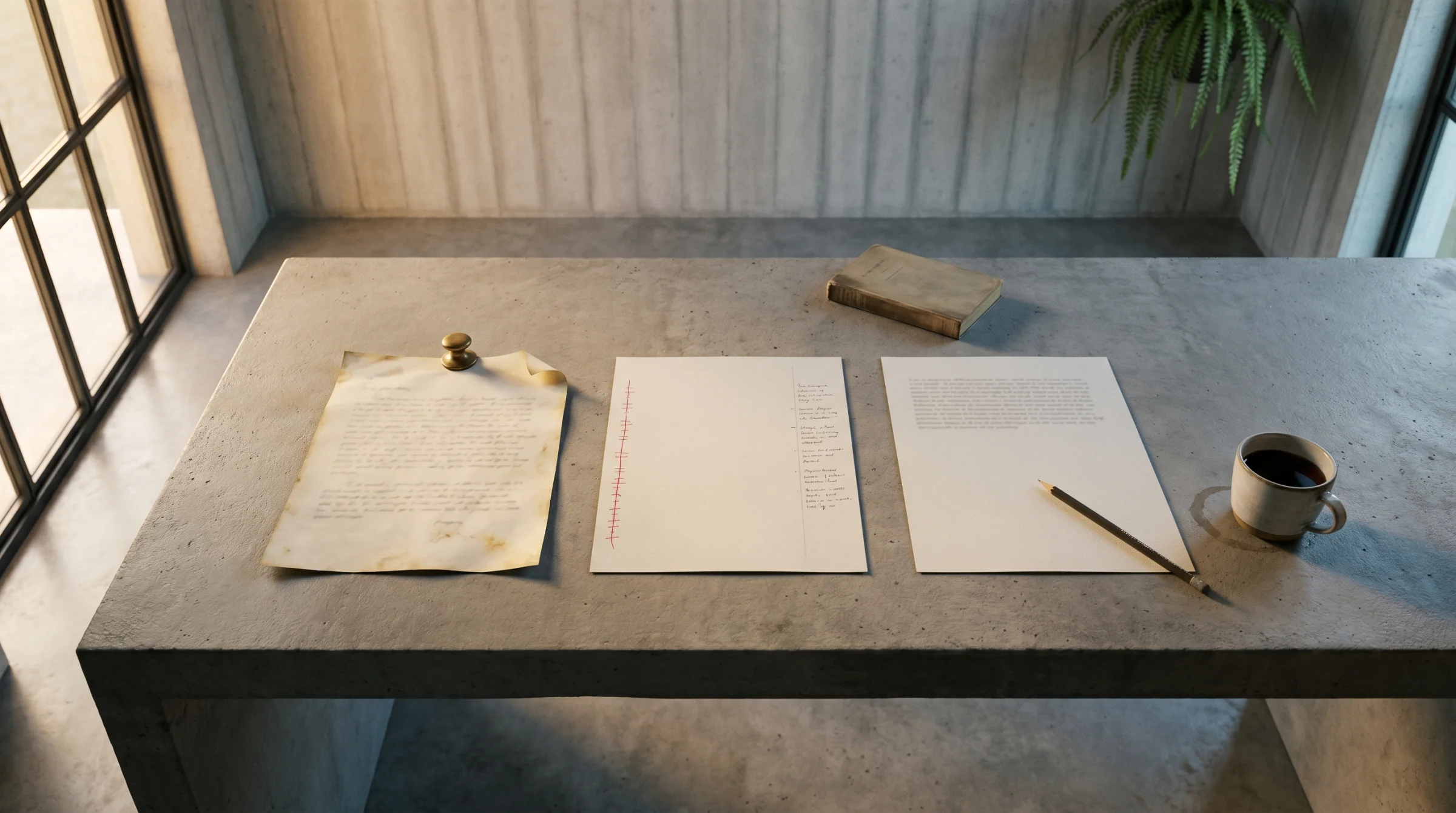
Midjourney v7, v8, v8.1: What's Stable, What's Alpha
An honest state of the Midjourney platform. v7 is still the default. v8 and v8.1 are alpha. Here's what changed, what each version is for, and which to use right now.
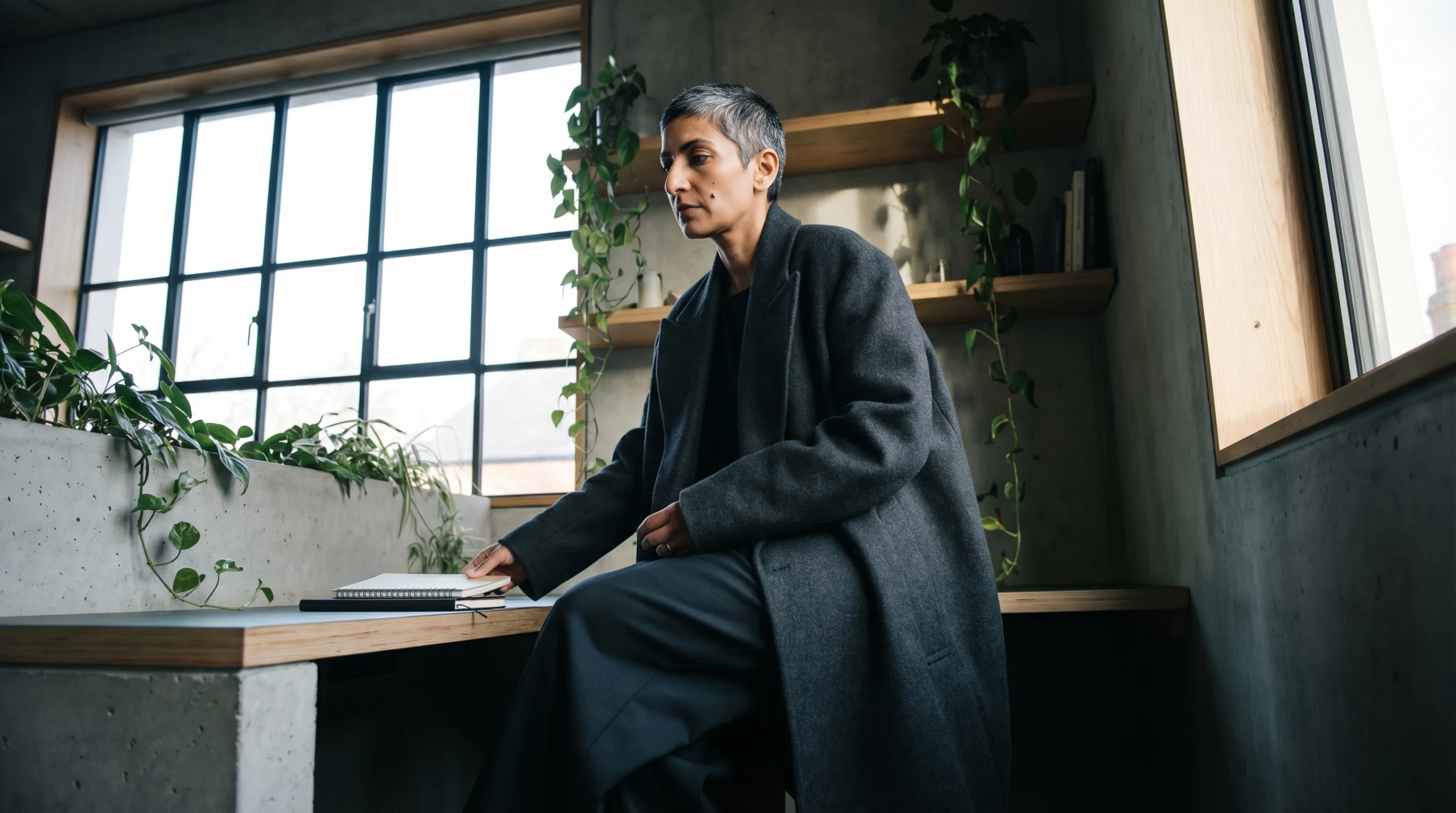
Claude Code as Your Creative Business Partner
Use Claude Code's scheduled tasks, MCP connectors, and Claude for Chrome to automate marketing, outreach, and finances for your creative business.
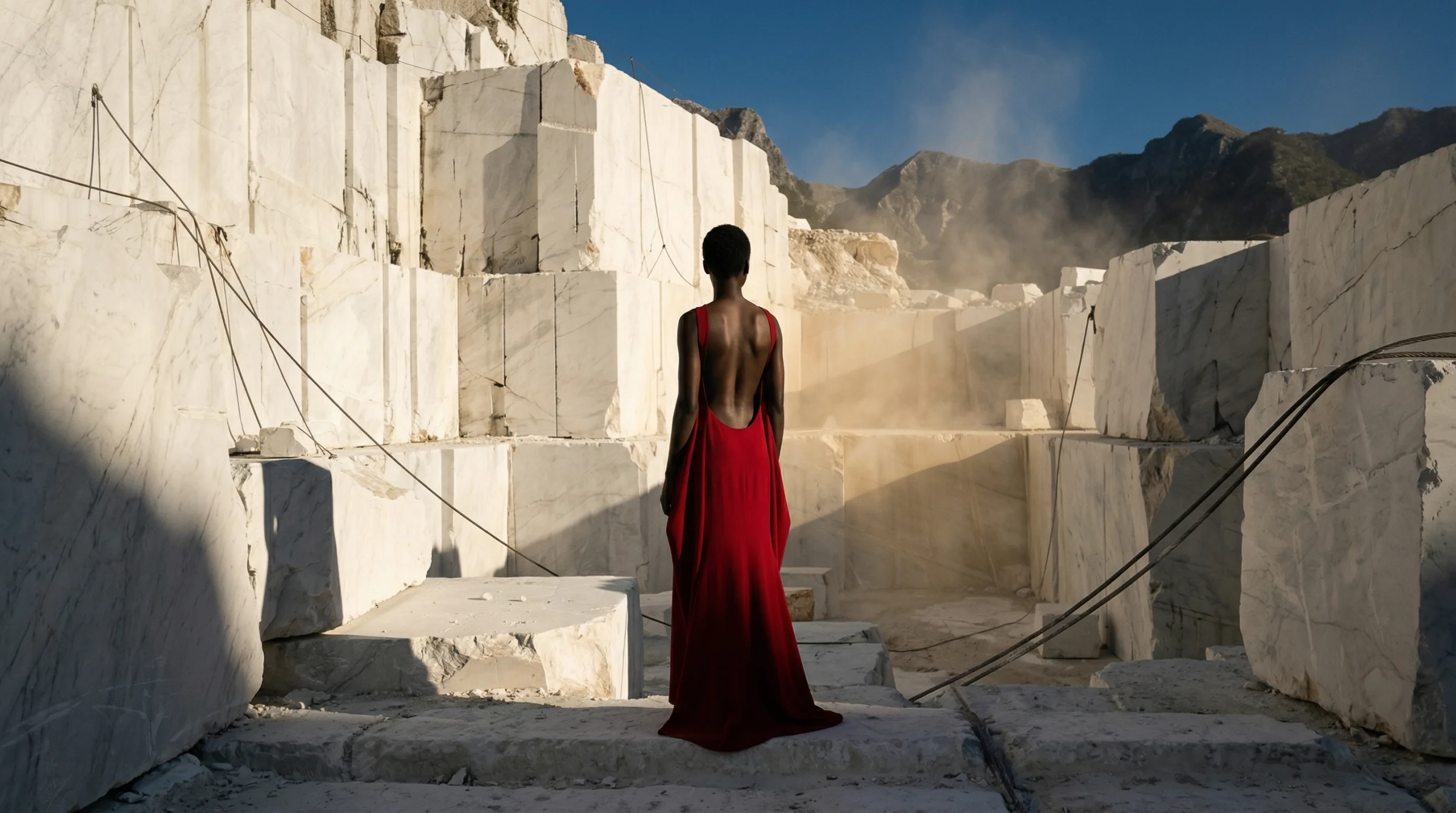
One Gown, One Quarry, One Afternoon: How I Directed a Fashion Editorial with AI
The full process behind an AI-generated Valentino editorial in a Carrara marble quarry — casting, wardrobe sheets, shot direction, and the three mistakes that cost a full re-fire.

Your Second Brain: Claude Code and Obsidian
Point Claude Code at a folder of notes and it becomes a librarian — filing, linking, and surfacing connections you would never find alone. Twenty minutes to set up.

JSON Prompts, Tested: What Actually Works and What's Just Aesthetic
The JSON prompt trend split the AI art community in half. One side says it is the secret behind every great Veo 3 clip. The other says it is cargo-cult hype. This article tests it properly — with the primary sources, a three-way image comparison, and the one case where the format actually earns its place.

From Sketch to Image: How to Turn a Drawing Into a Photograph
A rough pencil sketch can be the most expressive input you give an AI. Here's what models do with one, and how to take a photo of yours that works.
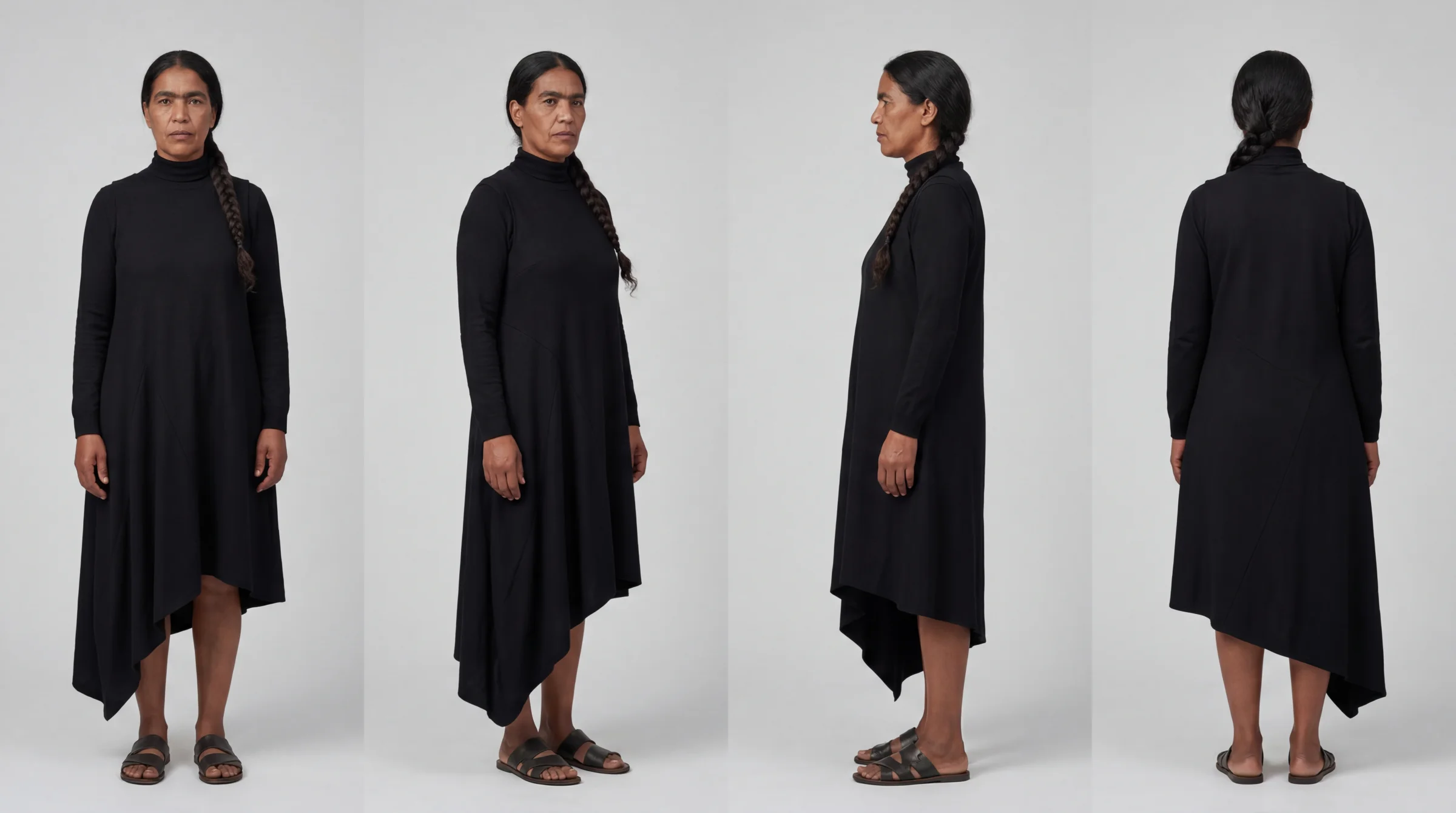
The Character Sheet: Four Views, One Face
Text-only character consistency eventually runs out. When you need more — a named character, a long shoot, narrative-grade identity — you move to image reference. The character sheet, the re-injection rule, and a tested ten-shot walkthrough through a Moroccan riad.
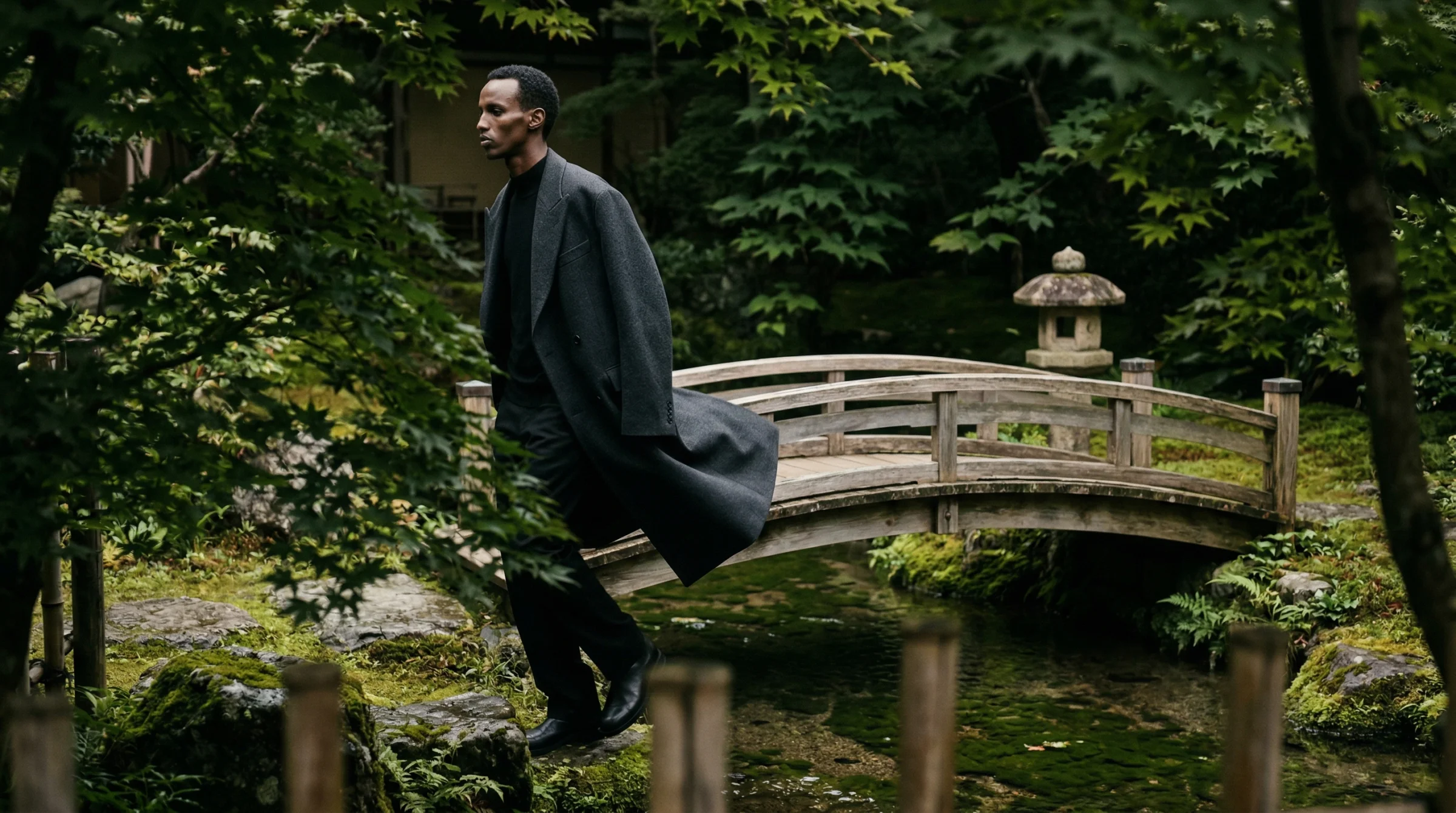
The Locked Formula: Character Continuity Without a Reference Image
A tested four-token formula that makes Nano Banana 2 converge on the same face across 17 shots without any image reference. The tokens that do the work, why they do it, and the copy-paste template.
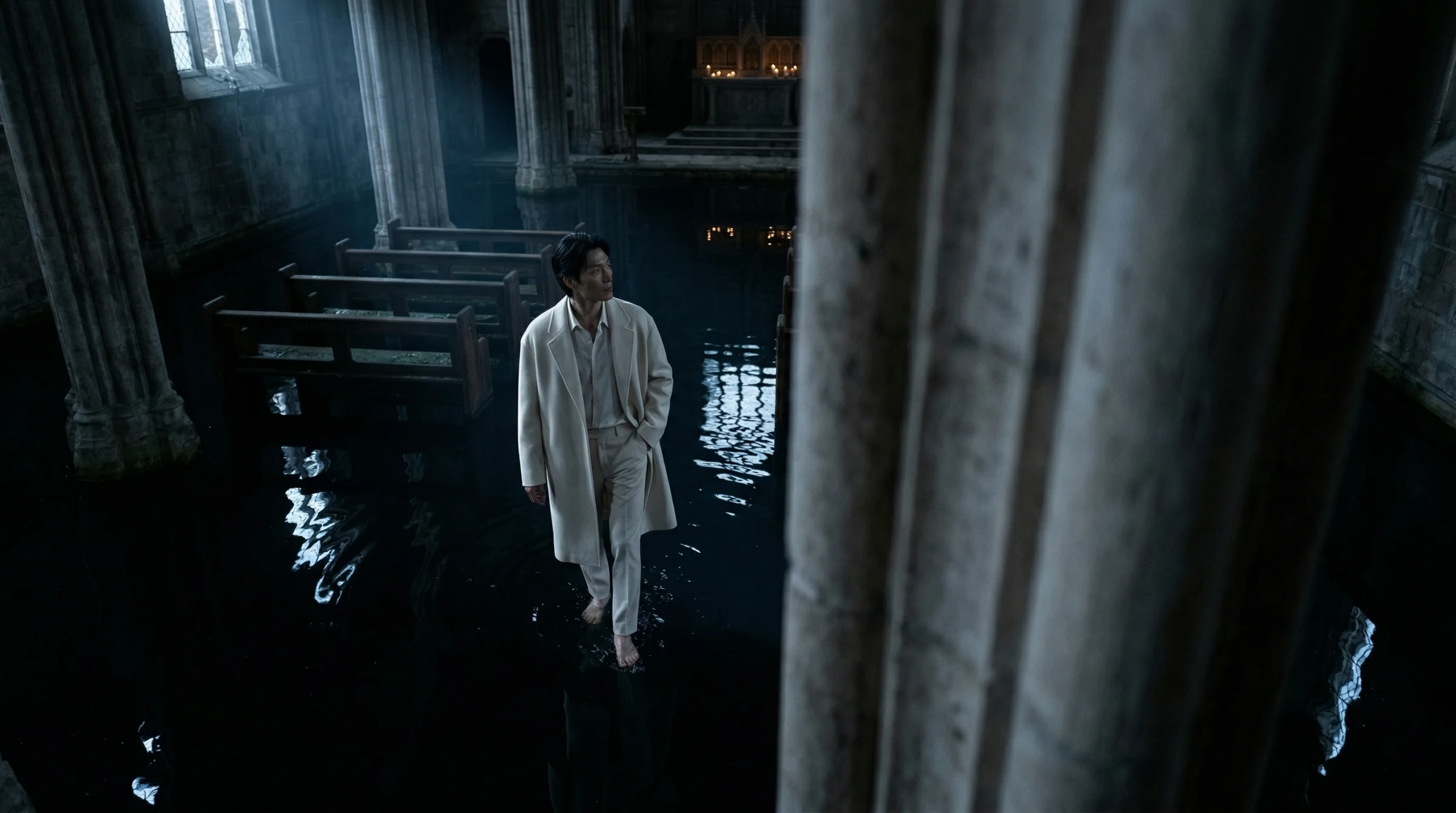
The Prompt Budget Principle: Why More Blocks Make Your Images Worse
A paid article about the counterintuitive lesson from three iterations of one shoot. Image model prompts compete for a fixed attention budget — and the fix for a failing shot is almost never adding another block.

Autonomous Agents: From Task Lists to Reasoning Systems
Your agents run tasks in parallel. This article teaches them to think — planning, reflection, error recovery, and cost-aware decisions. Includes a working code reviewer agent blueprint.

When the Doom Loop Hits
Something that worked yesterday stopped working. You try to fix it. It gets worse. You try harder. It gets worse. This is the doom loop. Here is how to escape it.

Your First Screen
The first prompt that turns text into a working thing you can see in a browser. One screen. Fifteen minutes. A moment you will remember.

Knowing When to Stop
Finished-and-ugly beats half-done-and-pretty. The hardest skill in vibe coding is recognising when v1 is done, and putting the rest on the v2 list.
Claude Code on Autopilot: Four Hooks You Install Once and Never Think About Again
Auto-commit when Claude finishes a task. Auto-lint after every file change. Load project context at session start. Get notified when long tasks finish. Four pre-built automations — copy, paste, done.

Fifteen Claude Code Features Most People Never Use
Session teleport, mobile access, loops, hooks, dispatch, voice input, worktrees, and more. Every hidden feature the creator of Claude Code uses daily — explained.
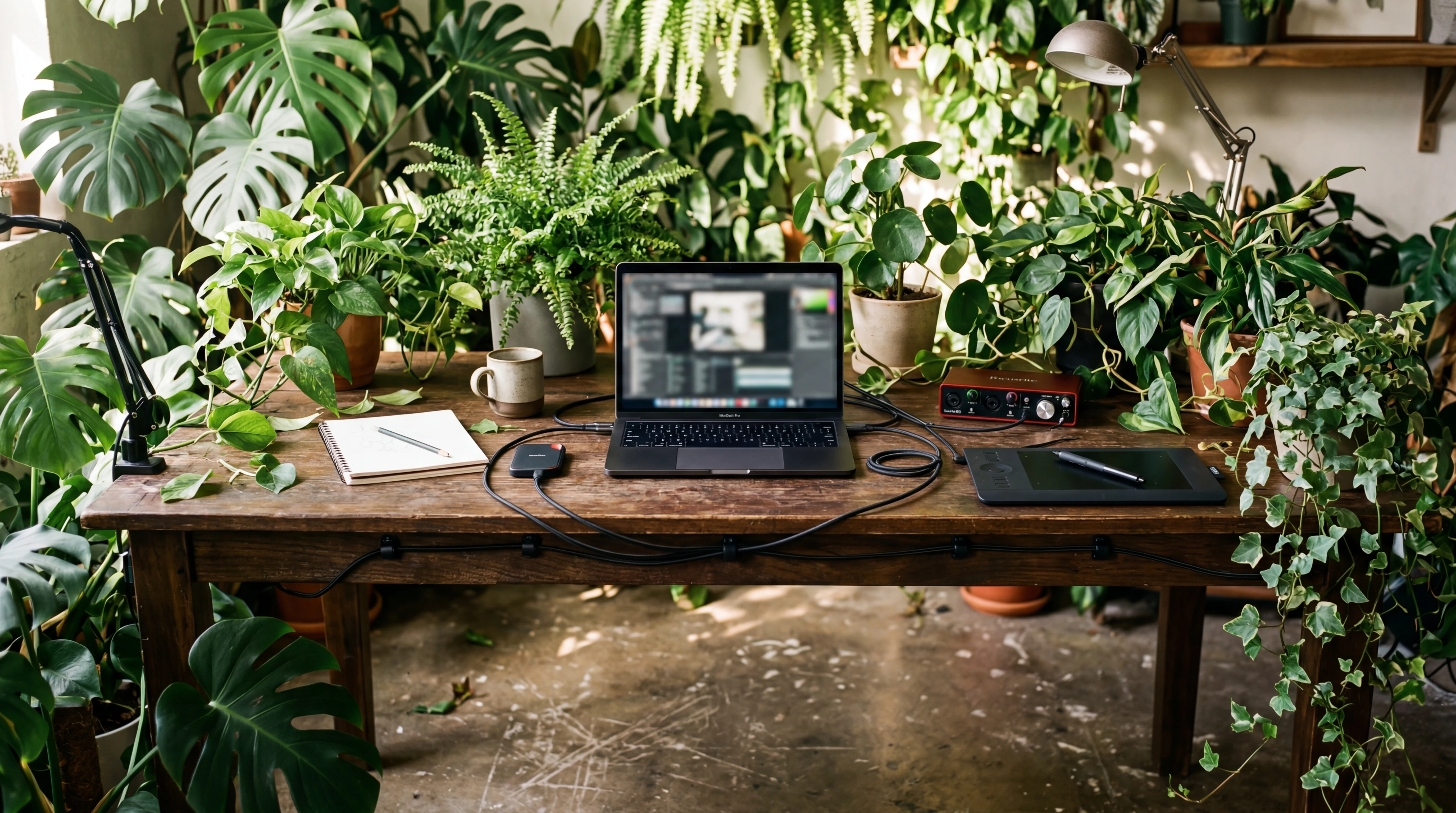
Give Claude Your Whole Creative Stack: The MCP Starter Kit
Five pre-wired MCP servers plus three ready-to-install slash commands that turn Claude Code into a connected creative workspace — Figma, Notion, Cloudinary, Vercel, and Stripe. Fifteen minutes, browser sign-ins instead of API keys.
The Project That Never Forgets: Claude Code's Memory System
The two-layer memory system that keeps Claude productive across weeks of work on the same project. A CLAUDE.md template, a memory bootstrap prompt, and a 30-second session-resume ritual.

Build Your Own Skill Pack: The Complete Guide to Claude Code Skills
Six skills you can install today. Multi-agent code audits, adversarial debates, creative councils, autonomous loops, and more. Each one teaches a pattern you can adapt to anything you build.

What Are Claude Code Skills (And Why They Change Everything)
Slash commands are one-shot prompts. Skills are entire folders — with scripts, assets, hooks, and memory. They turn Claude from a tool you talk to into a collaborator who knows your workflow.

Claude Learned to Work Without You
On April 8, Anthropic gave Claude Code servers of its own. Agents no longer need your laptop open, your desktop app running, or you in the room. Here's what that actually means for creatives.

The Constraints Interview
Your idea is not limited by what you can imagine. It is limited by what you can finish. Find the real shape of what is possible.

Cut Half of It
Your brief is too big. You do not see it yet. This lesson is the one where Claude plays the adversary and argues the case for a smaller, braver version of your project.

The One-Paragraph Brief
One paragraph that explains what you are building, to a friend, in plain language. No jargon, no hedging, no features list. The paragraph is the project.

The Three Buckets
Before you build anything, figure out which kind of thing you are actually making. There are three. The one you say yes to changes everything.

Does It Look Good?
The eighty-twenty of design for people who did not train as designers. Four rules that will make almost any vibe-coded thing look considered, without needing to learn typography from scratch.

The Phone Check
Open your site on your actual phone. Most things will be fine. The few things that break are the difference between shipping and shipping proudly.

Real Content Beats Lorem Ipsum
Placeholder text is the last thing hiding the gap between a real site and a draft. Write the real words. The design will tell you whether it works.

Reverse Prompting: When Claude Asks the Questions
Most people prompt the AI. The best results come when it prompts you — structured questions with options, previews, and tradeoffs explained.

Scaling Vibe-Coded Systems: From 'It Works' to 'It Holds'
Your side project got real traction. Now what? A production-readiness checklist, an observability recipe, and a runbook for when code you didn't write catches fire.

From Brief to CLAUDE.md
Your brief is one paragraph. Your CLAUDE.md is the whole project's memory. This lesson turns the first into the second.

One Sentence, One Screen, One Flow
Before you build anything, describe v1 in the smallest possible shape. One sentence. One screen. One flow. Anything bigger is not v1.

Put It Online with Vercel
Your project is on your laptop. One command puts it on a server anyone in the world can reach. Here is exactly how.

The Final Touch
Your site is live on your domain. Now the last details that make it feel like a real thing — favicon, share preview, and the one test that matters.
Name It and Buy the Domain
The first step of going live: pick a name, buy a domain, and avoid the three traps that catch everyone on their first try.

Point Your Domain at Your Site
The moment the URL becomes yours. Two paths — a simple one and a magic one where Claude Code handles the DNS for you.

Specification Engineering: Telling Claude What You Actually Mean
Move past 'build me a button' into specifying complex behaviour that Claude implements correctly the first time. A specification template, 10 worked examples, and a verification prompt you can copy.

Sora Is Shutting Down. Here's Where to Go Next.
OpenAI is closing Sora. The app goes dark on April 26, the API in September. Here's how to save your work, which models can take its place, and what changes for your workflow.
Directing AI Video Like a Cinematographer — Without the Jargon
Camera movement, lens logic, pacing, and shot chaining — the visual vocabulary that turns AI video from random clips into directed film. Twenty ready-to-use prompt templates included.
AI Video Models in 2026: Seedance 2.0 Takes the Lead
Seedance 2.0 now leads every major video benchmark — native audio, phoneme-level lipsync. Kling, Veo, and Runway still matter as specialists. The current landscape, plain.

Ship a 60-Second Film: The AI Video Production Stack
Eight shots, three models, one free editor. The end-to-end workflow for making a finished 60-second piece with AI video — from shot list to exported file.

Choosing Your Model: The Decision Tree for April 2026
You know what the models are. Now here's how to pick one — based on what you're making, not what's trending.
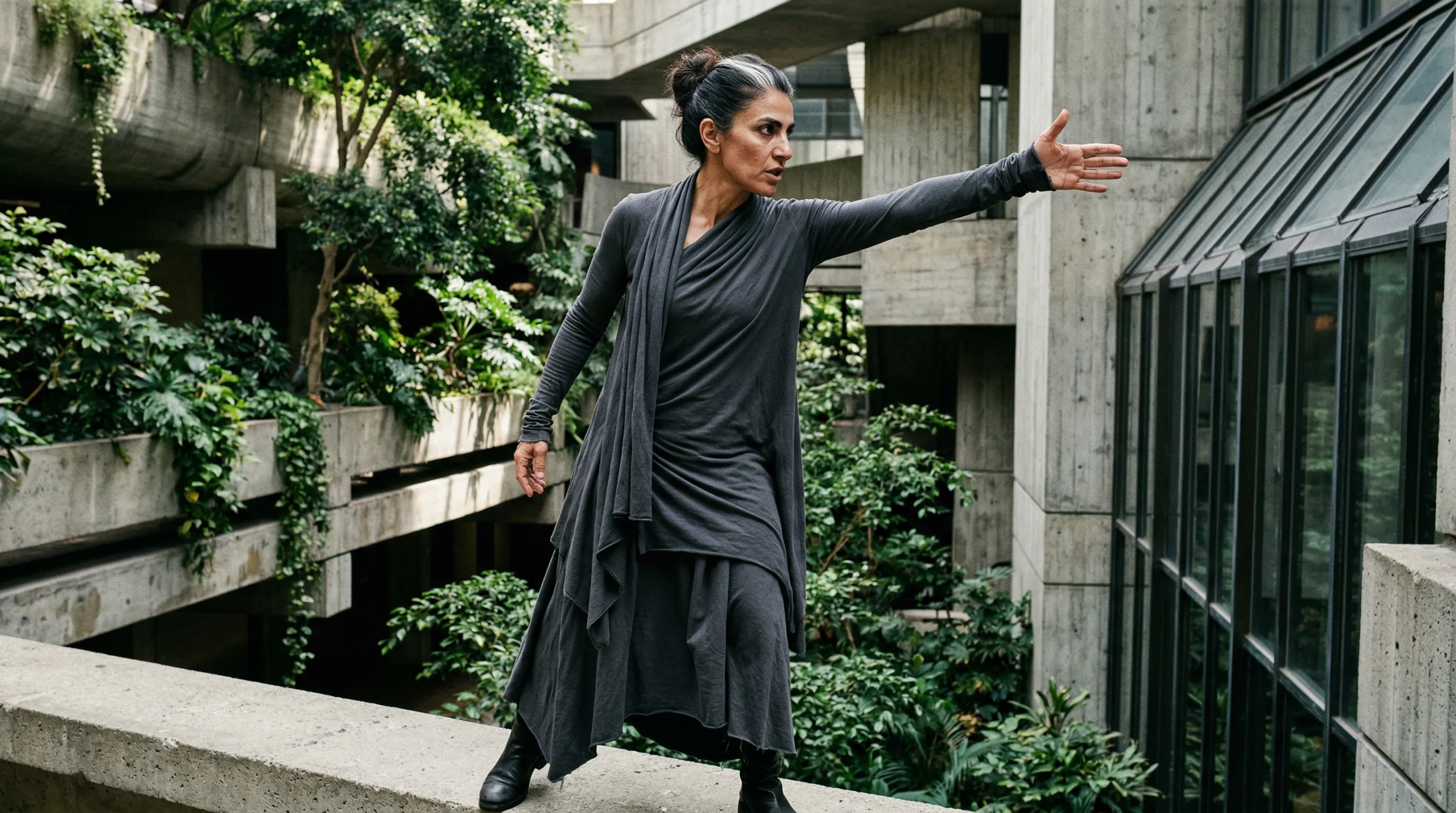
Directing AI Actors: Emotion, Gesture, and Performance
Character consistency is solved. Character performance is not. A performance prompt library covering 20 emotional states with body-language pairings, plus cross-model direction.

Directing Seedance 2.0: The Multimodal Prompt Guide
Seedance 2.0 takes up to twelve references per generation. Nine directing techniques, the keyword palette, and sixteen ready-to-use prompt templates.
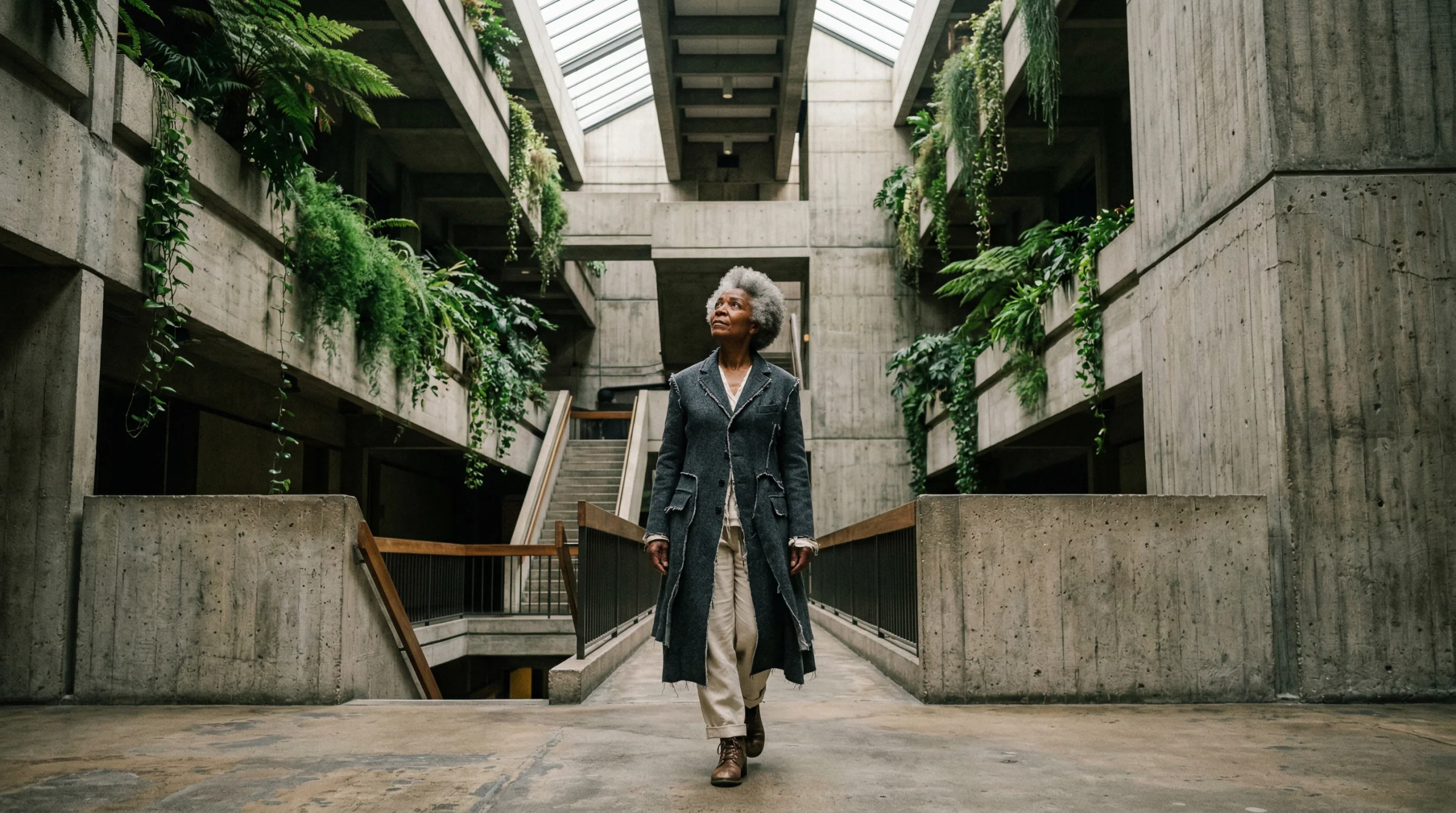
The Editorial Prompt Collection: 30 Biophilic Brutalism Portraits
Thirty editorial portrait prompts organised by shot vocabulary — framing, angle, depth, what's between lens and subject, light, and movement. Copy, paste, generate.

The Ethics Check: What to Think About Before You Generate
Disclosure, consent, likeness, training data. The conversation the rest of the AI art world is skipping — and the one that will matter most in six months.
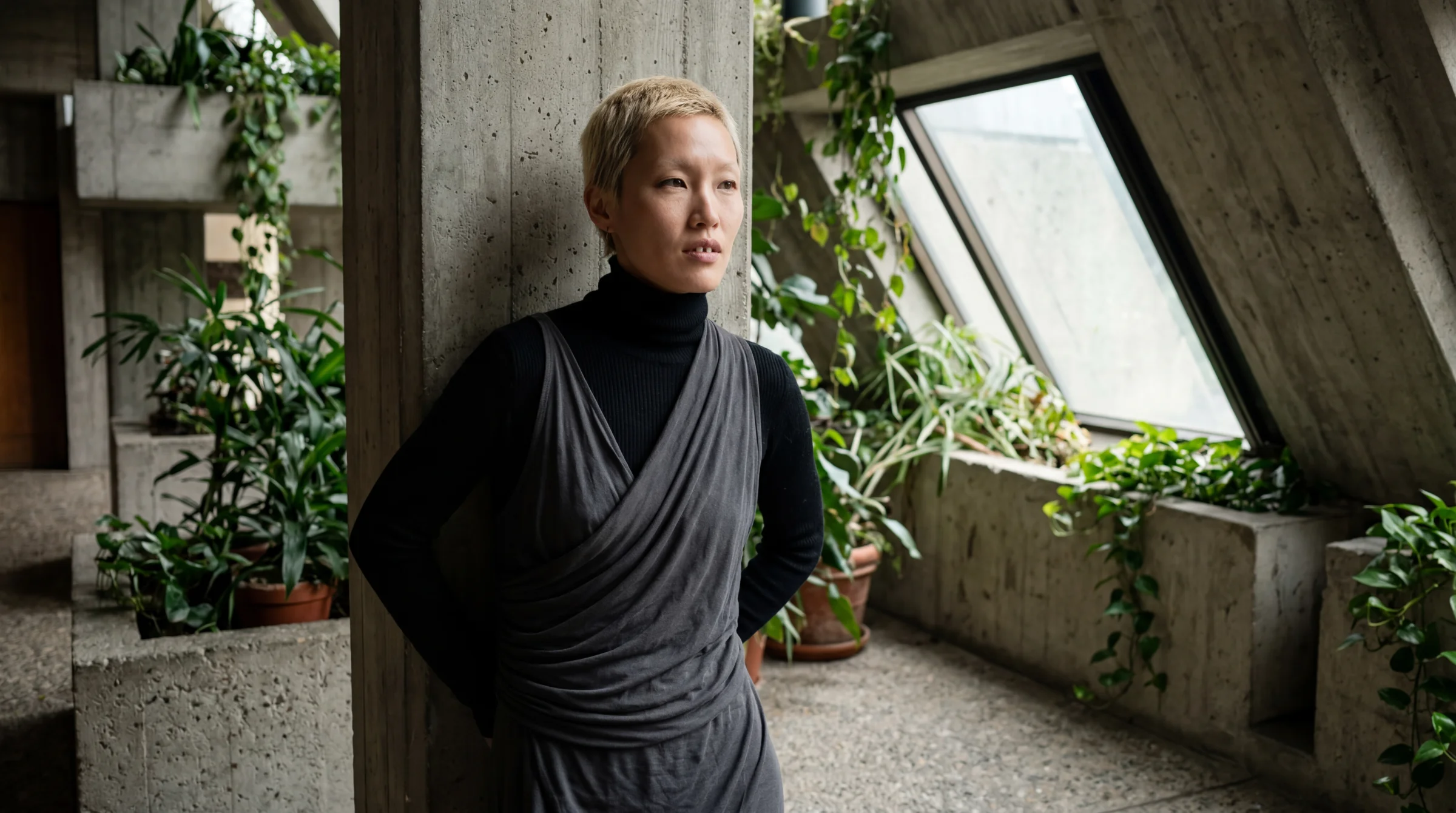
How AI Models See Lenses — And How to Make Them See Yours
AI models don't simulate optics. They pattern-match visual descriptions. Here's what actually triggers wide-angle distortion, telephoto compression, and editorial perspective — tested prompt by prompt.
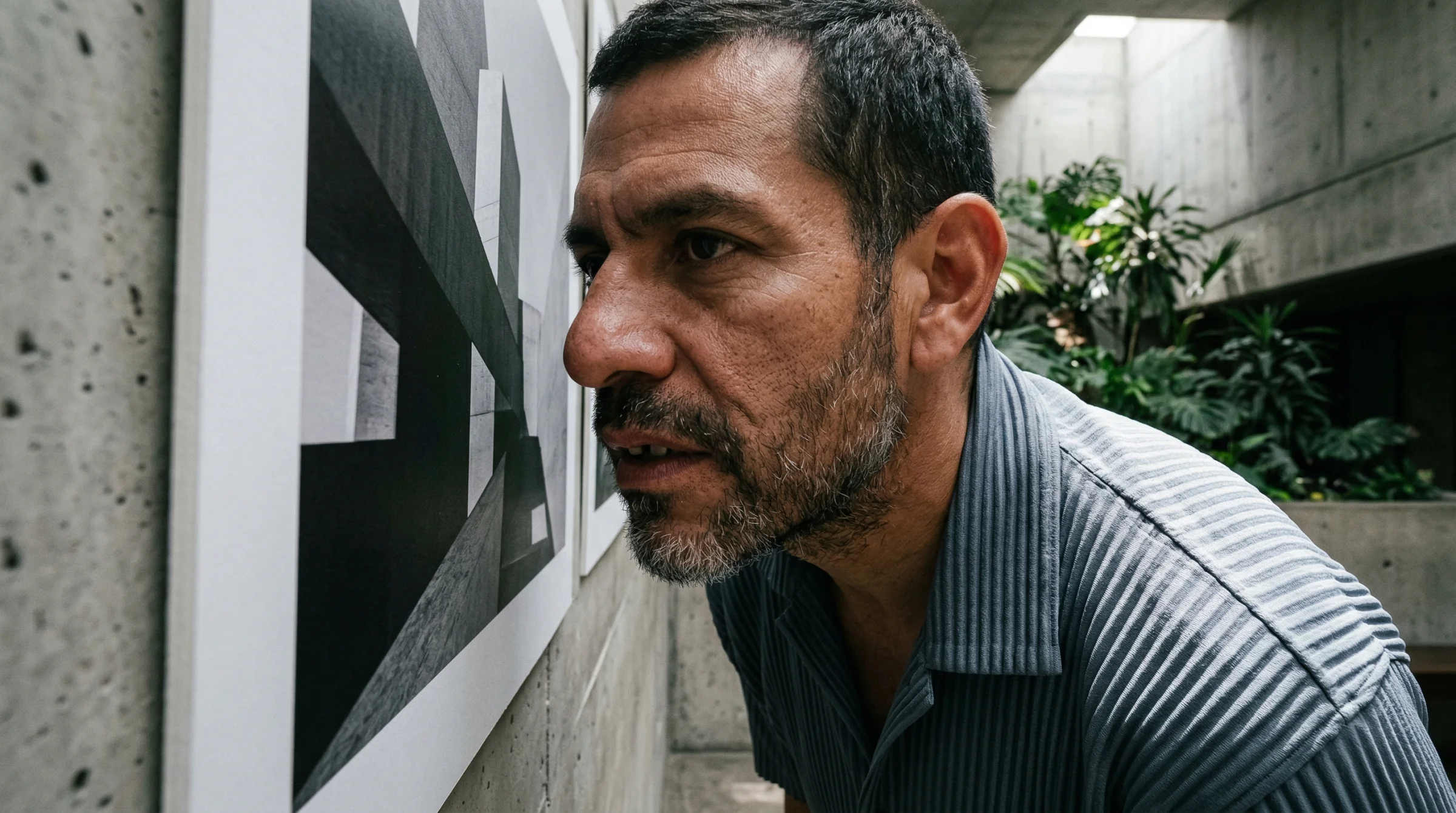
Photorealism as a System: Making Images That Don't Look AI
A reliable stacking formula for photoreal output. Five layers — subject, material, light, camera stack, and imperfection — combined into 25 complete prompt templates you can run today.
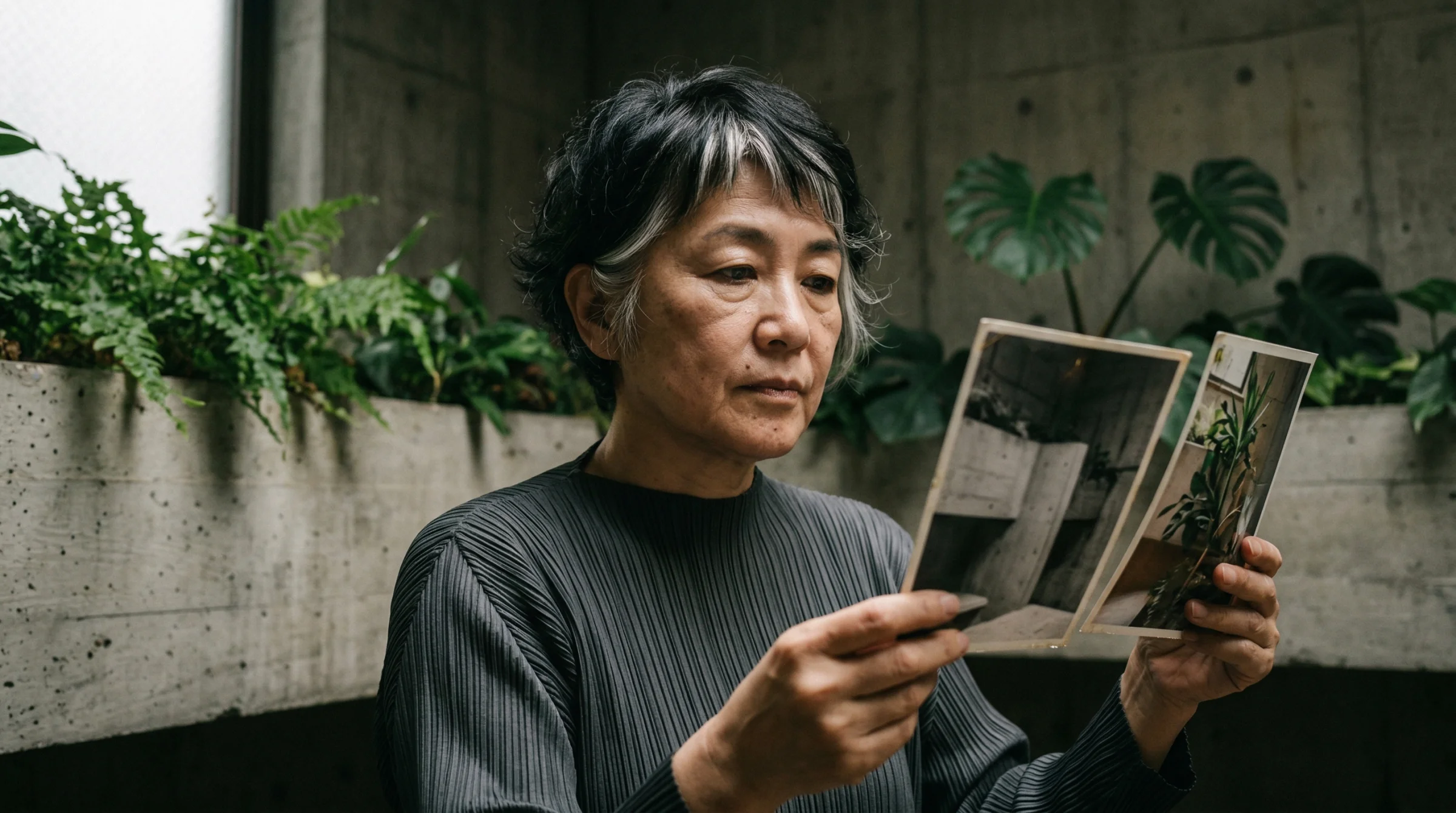
The Reference Image Playbook: When to Use One, Five, or None
Reference images are the fastest way to keep your AI character looking like the same person. Here's how each model handles them — and when they help, when they hurt, and when you don't need them at all.

The Post Pipeline: Turning AI Shots Into Actual Scenes
The shot-grid gets you raw footage. This article teaches finishing — spatial continuity, colour grading across models, compositing, sound design, and a DaVinci Resolve workflow you can run today.

Agent Teams: Parallel Creative Workflows
Run three Claudes on one project simultaneously — a researcher, a builder, and a reviewer. Here's how to use agent teams to deliver creative work faster.

Budget Control: Credits, Compute, and Not Getting Burned
AI coding tools charge by the token, the minute, or the month. Here's how each one works — and how to avoid the surprise bill.

Build Your Portfolio Site in One Session
One conversation. One hour. A portfolio site that's live on the internet by the time you close the app. Here's the complete workflow — from empty folder to deployed URL.

Context Management in Claude Code: Avoiding 'Context Rot'
Your Claude Code sessions degrade over time. Here's why, and the strategies that keep them sharp — compaction, session discipline, CLAUDE.md architecture, and subagent delegation.

The Claude Code Creative's Toolkit: Commands, Templates, and Scaffolds
10 custom slash commands, 3 CLAUDE.md templates, and 2 project scaffolds — all ready to copy into your setup. The creative's starter kit for Claude Code.

Claude Code for Creatives: A Non-Developer's First Hour
You don't need to know how to code. You need to know how to describe what you want. Here's everything a creative needs to get started with Claude Code.

Claude Code on Your Phone, Desktop, and Cloud
Start a project on your phone during a commute. Pick it up on your desktop. Hand it off to the cloud overnight. Here's how Claude Code moves with you.

Claude on Your Computer: Files, Browser, Apps, and Everything Else
Claude doesn't just write code. It opens apps, moves files, cleans up your desktop, browses the web, and fills in spreadsheets. Here's everything it can actually do on your machine.

Context Rot: The Hidden Reason Your AI Session Falls Apart
Your AI session was going well. Then it started forgetting things, repeating itself, and making weird mistakes. Here's what happened — and how to fix it in thirty seconds.
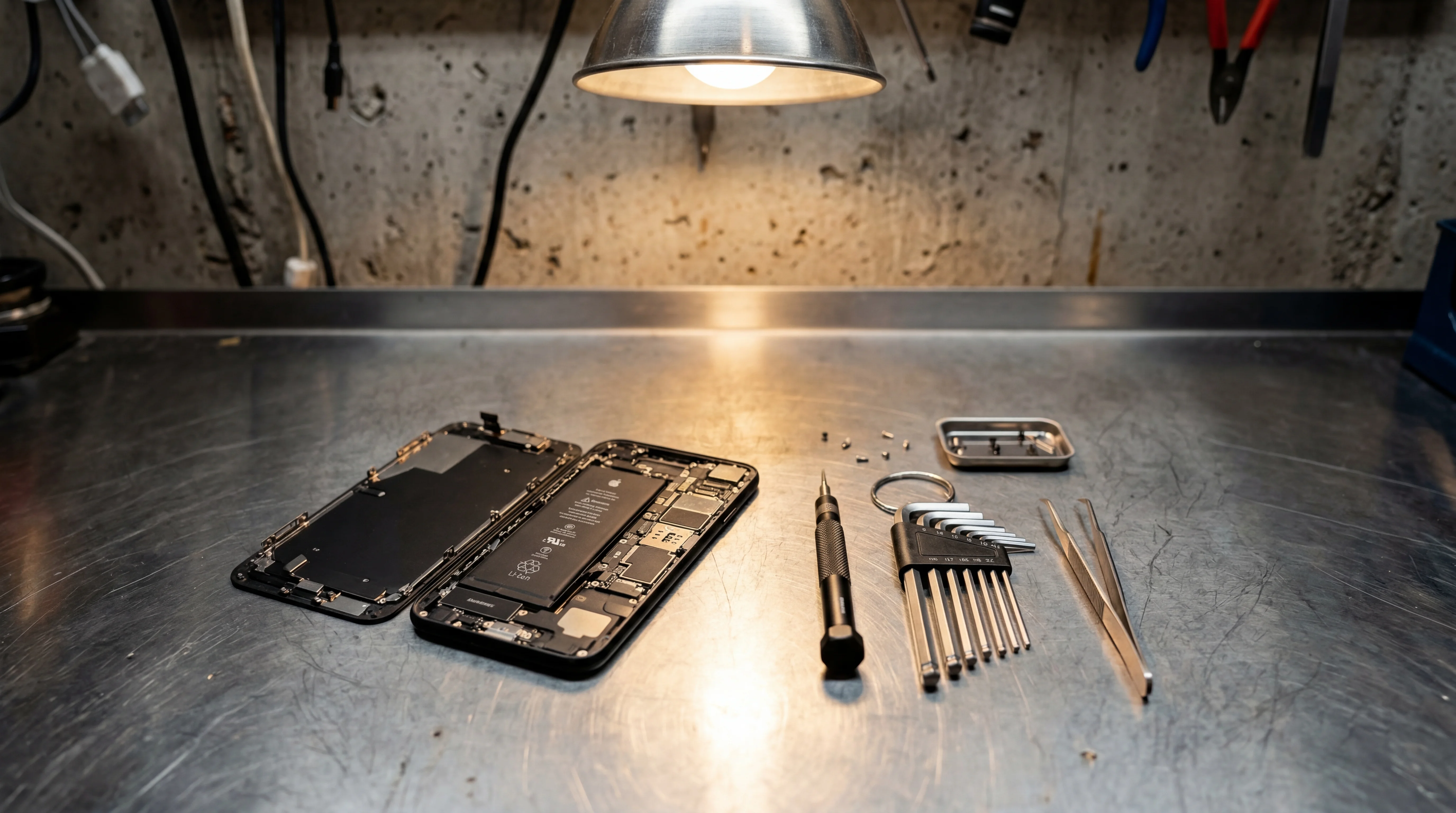
Making Claude Code Yours: Hooks, Tools, and Custom Setups
Auto-commit your work. Connect your creative tools. Build agents that know your brand. A guide to customising Claude Code for how you actually work.

Prompting Claude Code: 10 Before-and-Afters
The difference between a vague request and a great result is usually one sentence. Here are 10 real prompts, rewritten, with the reasoning behind each change.
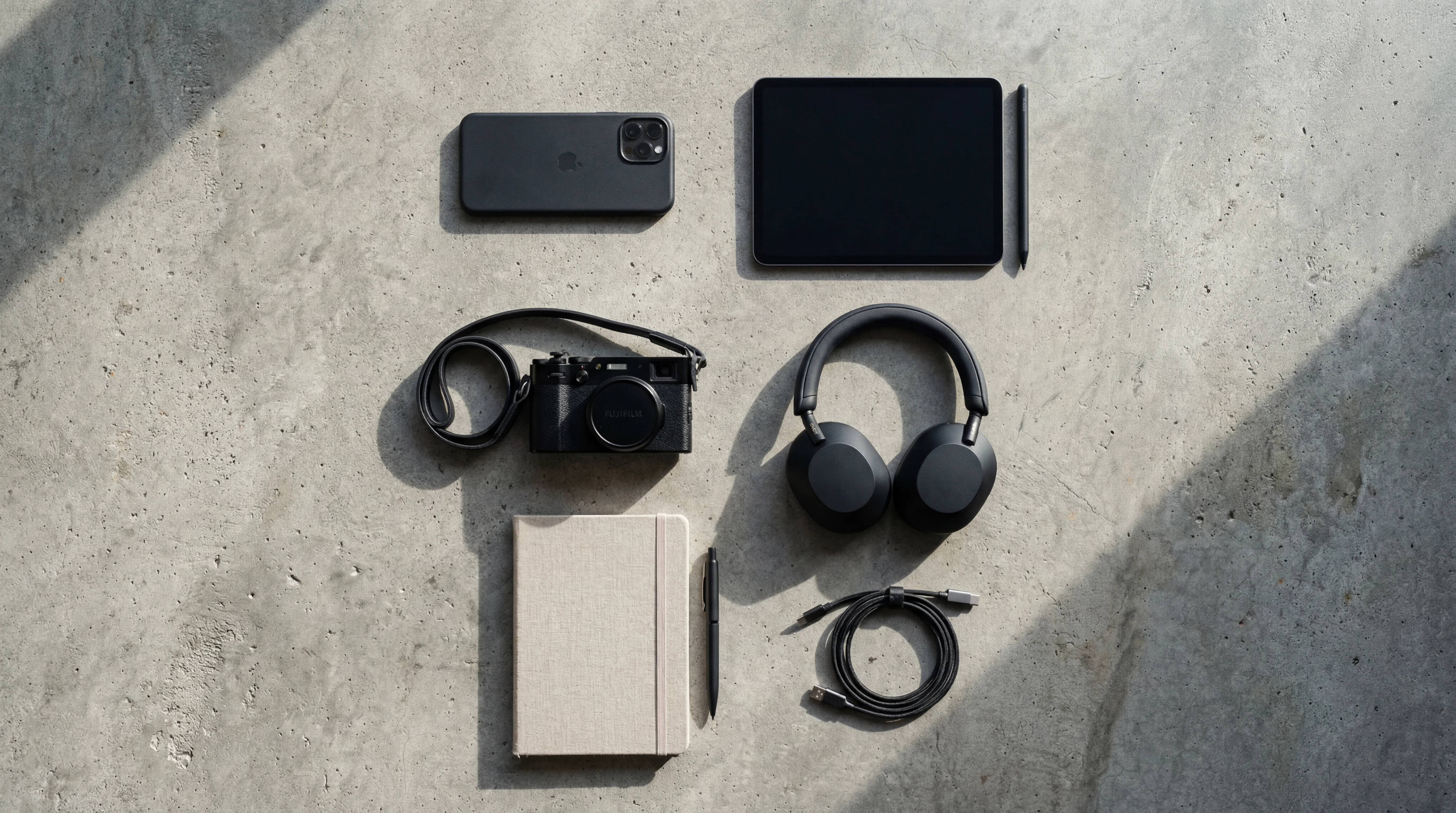
The Right AI Tool for Every Creative Task
Claude Code, Cowork, and ChatGPT each do something different. Here's which to reach for based on what you actually need to get done.

From Sketch to Prototype: Interactive Projects with Claude Code
Build three interactive creative projects — a generative art piece, a data portrait, and an interactive typography experiment — through conversation alone.

Start Here: The Vibe Coding Path
New to vibe coding? This is your roadmap — every article in the code track, in the order that makes the most sense. Start at the top, work your way down.

The Vibe Coder's Survival Guide: What to Do When It Breaks
AI builds the first 80% brilliantly. Then something breaks and you don't know why. Here's the non-developer's guide to debugging, recovering, and knowing when to ask for help.

The Vibe Coder's Guide to the Galaxy
Every technical term you'll stumble across while vibe coding, explained in plain language with zero condescension. Don't panic — just bookmark this.

What Happens After You Build It: Maintaining Your Vibe-Coded Projects
You built a site. It works. Now what? How to update it, fix things that break, keep it secure, and know when you need a human developer.

What Is Vibe Coding (And Why It Works)
You describe the vibe. The AI writes the code. It sounds like cheating. It is not. It is a new way of making things — and it is changing who gets to build.

From Prompt to Print: Selling AI Art Commercially
The complete pipeline from generation to sale. Copyright law, upscaling for print, platform policies, colour management, and what you need to know before listing.

The AI Creative's Toolbox: Platforms, Pipelines, and What Actually Works
The platforms, tools, and workflows that working AI creatives actually use in 2026 — not a list of everything, just what matters.

AI Image Models in 2026: Nano Banana, Flux, Midjourney — Which for What
Six models dominate AI image generation right now. Each does something different. Here's which to use, when, and why.
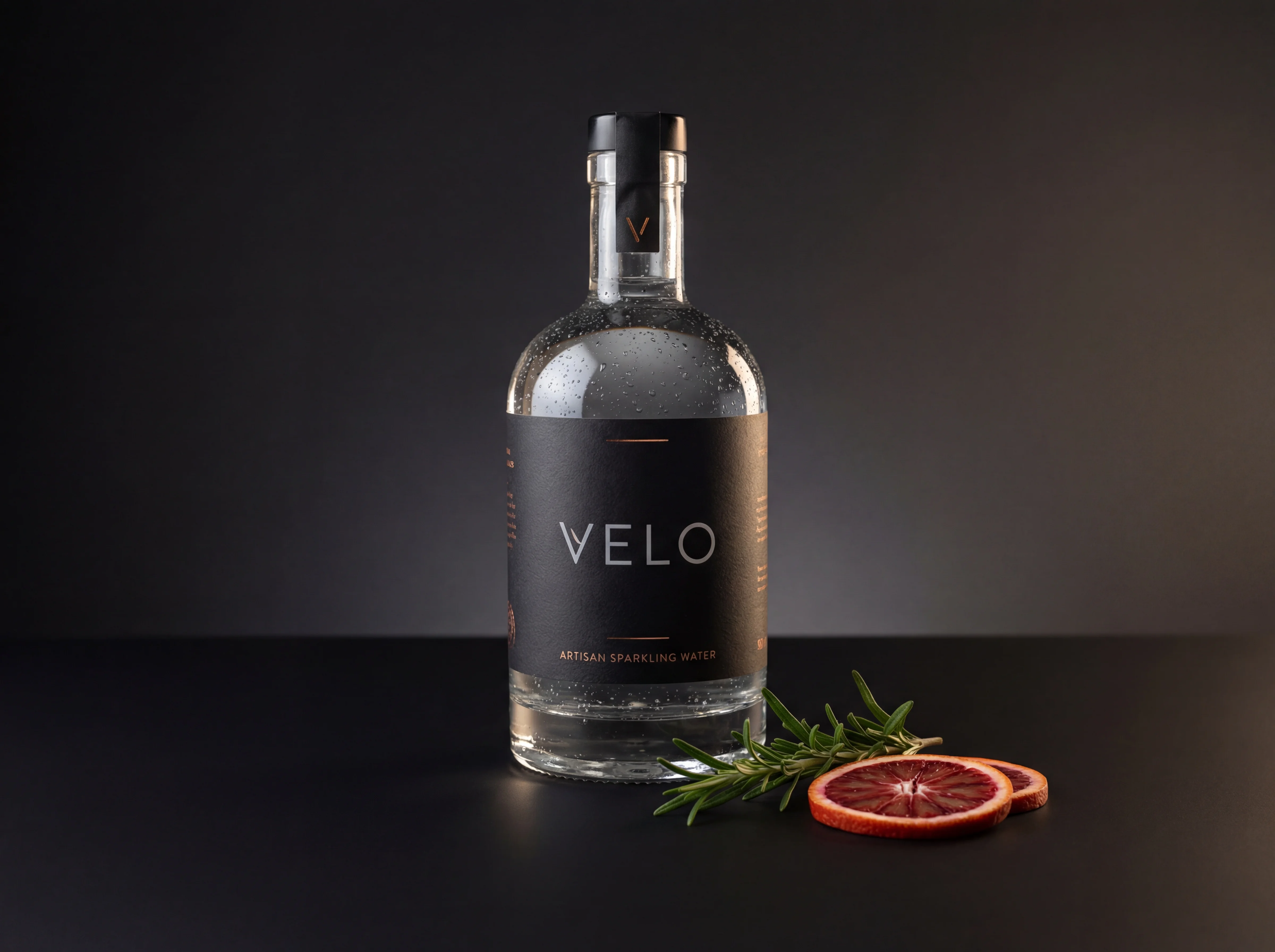
From Logo to Product Line: AI-Powered Brand Extensions
A complete workflow for extending any brand identity across products, packaging, apparel, and collateral using Nano Banana Pro. 12 tested prompts with full breakdowns and a 30-minute brand extension system.
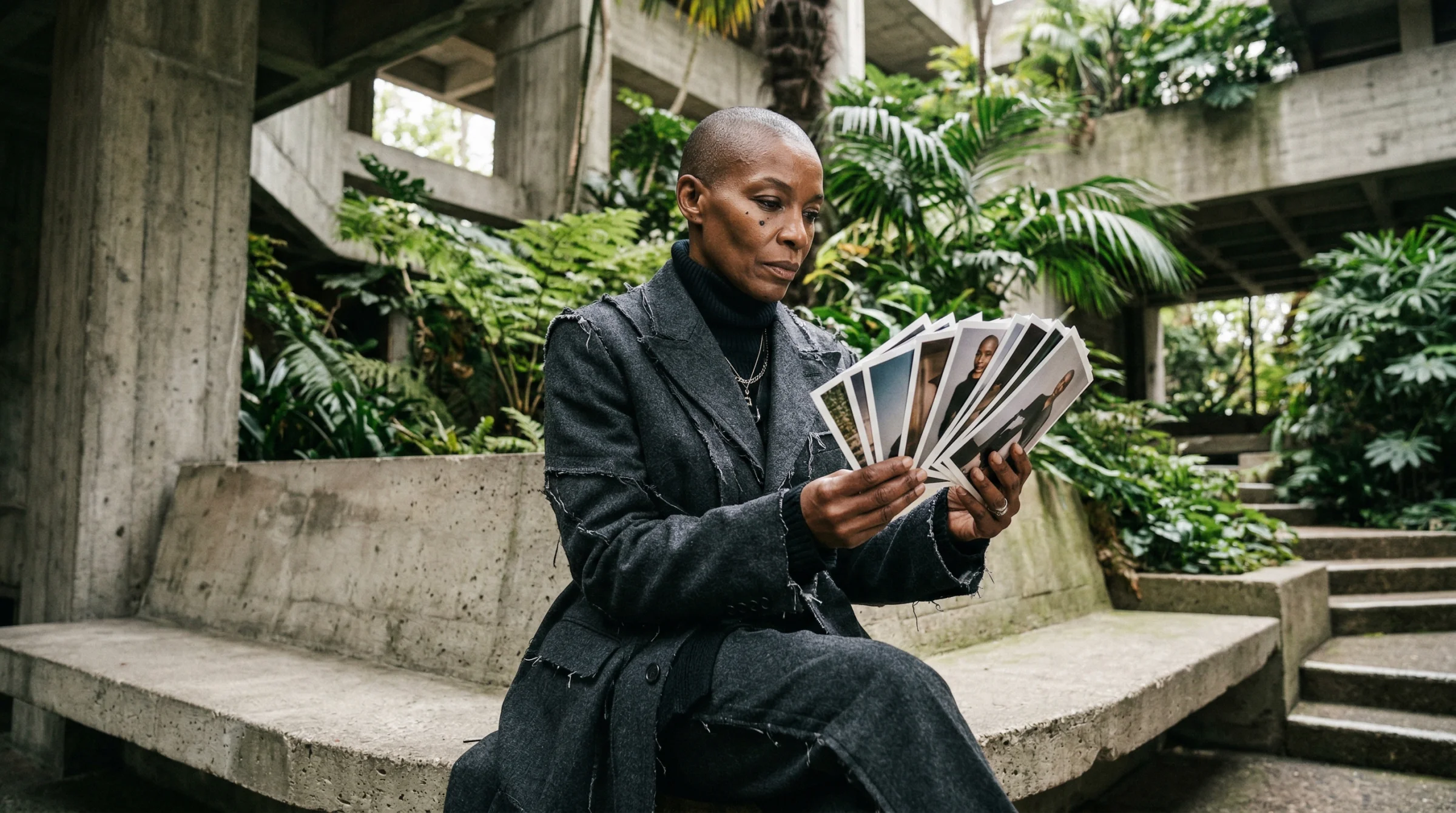
Character Consistency Across 100 Images: The Complete System
The number one unsolved pain in AI image generation. Here's a tested system that works across Nano Banana, Midjourney, and Flux — with reference sheets, LoRA training, and session strategies.

Cloud or Local? How to Actually Decide for Your AI Image Setup
One costs money per image. The other costs money upfront and breaks often. Here's the honest decision framework — what each path looks like, who it's for, and what nobody tells you.
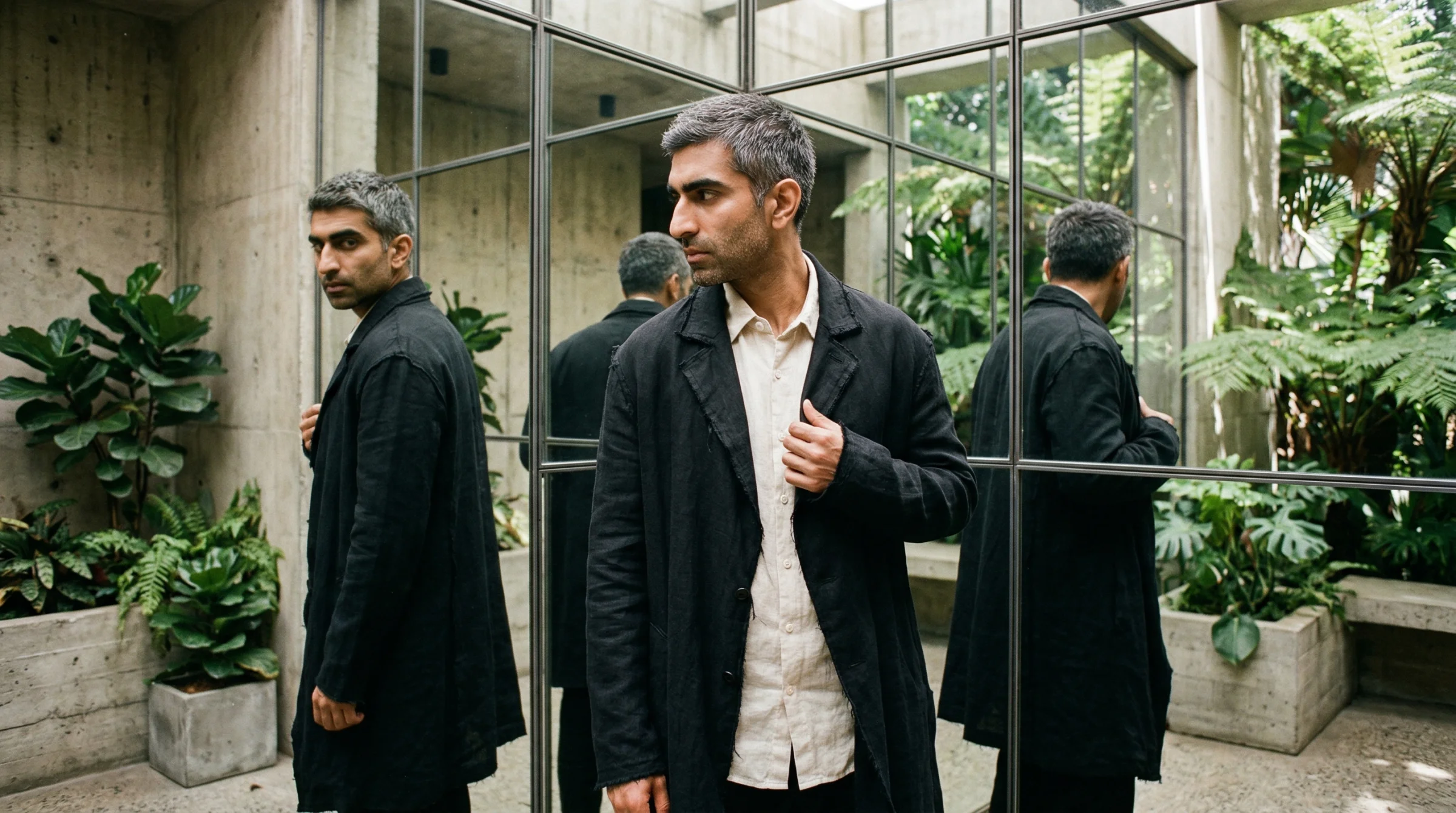
The Consistency Gap: Why Your AI Character Changes Between Images
You nailed the first image. The second looks like a different person. Here's why AI models drift — and how to start fixing it.

FAUNA in 15 Minutes: Your First AI Creative Workflow
Flora's AI creative agent launched six days ago. Here's what it actually does, how the three modes work, and how to build your first multi-model workflow.

The Legal Layer: Copyright, Commercial Rights, and Platform Rules in 2026
Can you sell it? Can someone copy it? What does Etsy actually require? The current state of AI art law — updated quarterly.
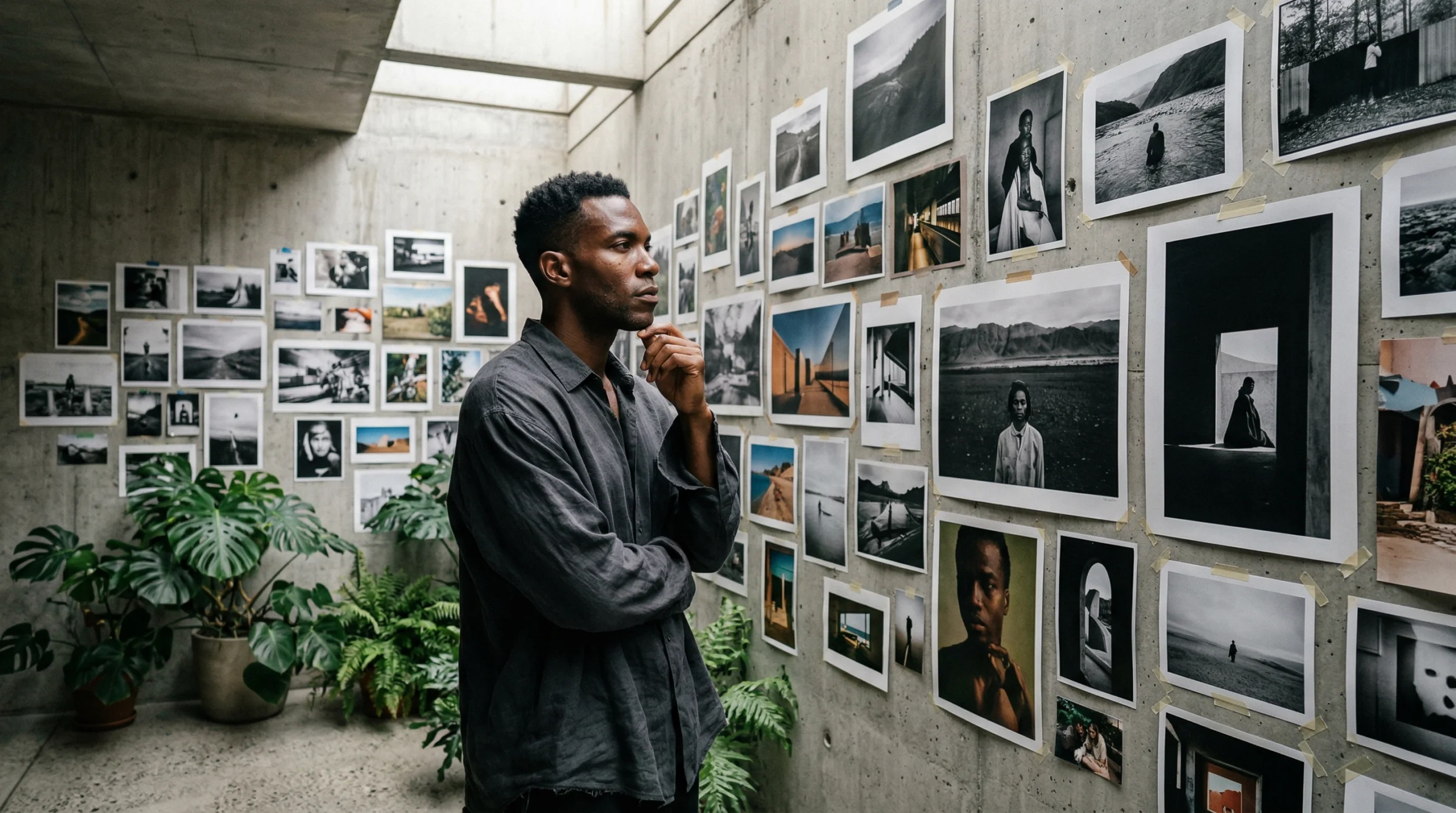
Nano Banana Prompt Pack: 25 Tested Prompts with Breakdown
Not just prompts — each one is broken down: what it does, why it works, and what to modify. Covers portrait, product, landscape, editorial, and abstract.
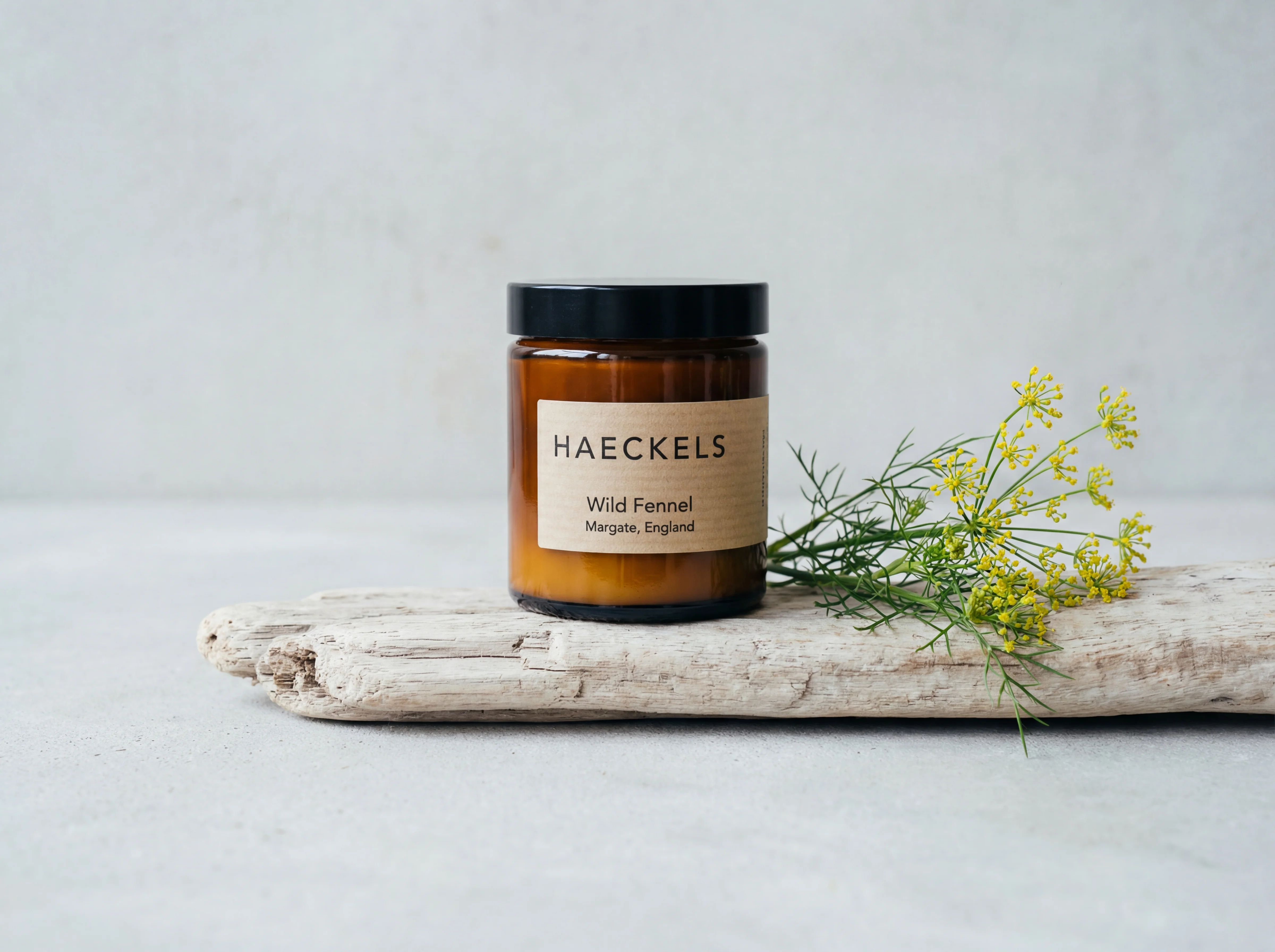
Phased Prompting: The System Behind Professional AI Design
Why professional designers get better AI images than everyone else. The persona-phase system that turns thinking models into creative directors — with a complete build-your-own walkthrough.
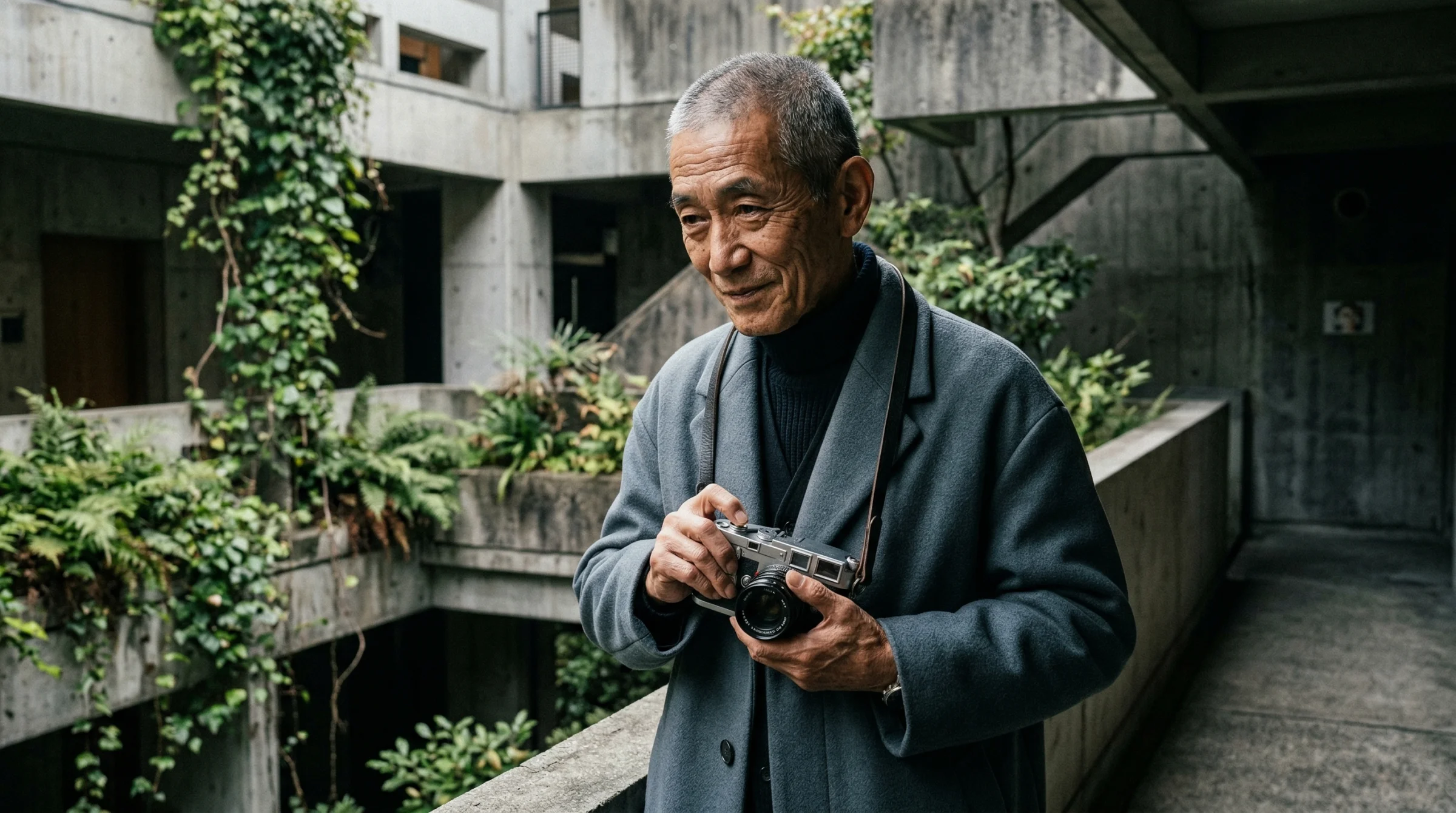
The Photographer's Prompt Guide: How to Actually Get Good Output from Nano Banana
Not another prompt list. This is the craft behind the prompts — perspective, lens choice, film aesthetics, lighting physics, and the techniques that turn generic AI output into images with genuine creative vision.

Building a Production AI Art Pipeline
A repeatable system for going from creative brief to finished deliverable — model selection, quality control, batch workflows, file management, and client delivery.

One Image, Every Angle: The Grid That Plans Your Whole Video
Take a single image and generate a grid of angles, sequences, and compositions — then feed it into a video model to create a complete sequence. The visual pre-production workflow that Runway, Higgsfield, and Freepik are already using.

Start Here: The AI Creative Path
New to AI creative work? This is your roadmap — every article in the creative track, in the order that makes the most sense.
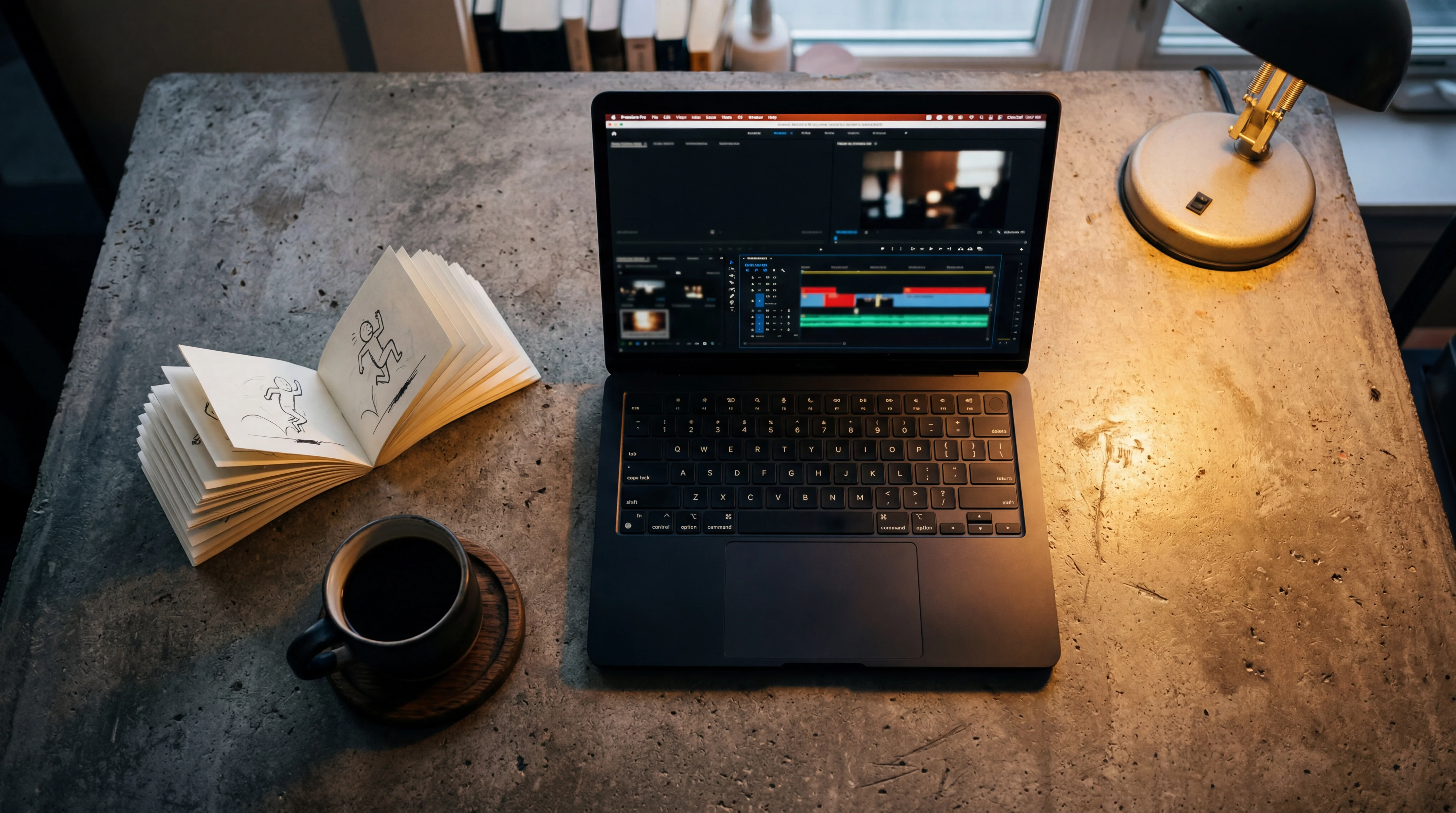
Veo 3.1 Video Generation: From Prompt to Timeline
Google's Veo 3.1 generates video with native audio — dialogue, sound effects, ambient soundscapes. Here's how it works, what it costs, and how to prompt it.
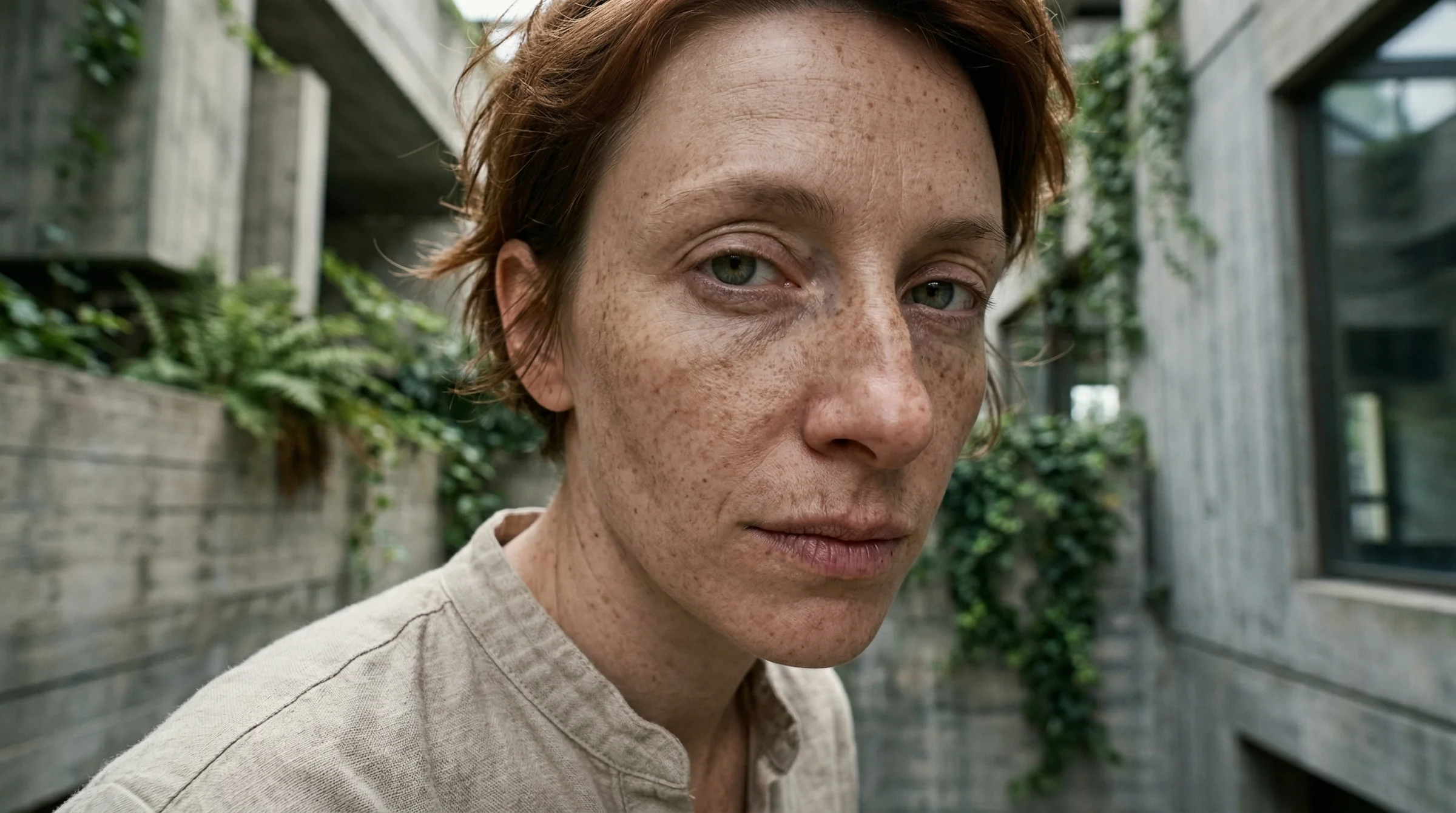
Why Your AI Images Still Look AI — And What to Fix
The image is technically correct. But something is off. Here are the five giveaways that mark an image as AI-generated — and how to eliminate each one.

Your First AI Image: What to Say and How to Say It
You don't need to learn prompt engineering. You need to describe what you see in your head. Here's how to talk to an image model and get something worth keeping.
creative · guideWelcome to Art & Algorithms
Where code becomes art and art becomes code. A new space for creative computation.